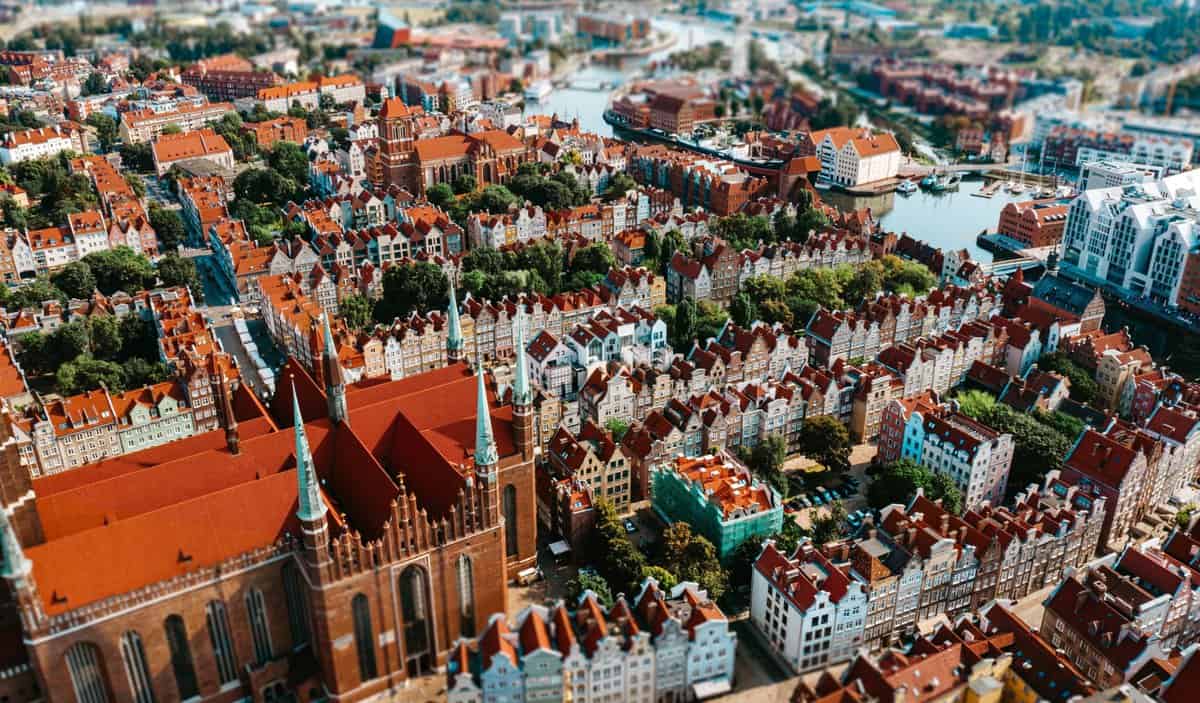
Poland is a great destination for travellers seeking adventure or culture. Situated in Central Europe and hosting a population of 38 millions, it is the sixth most populous country in Europe. Poland has a long and turbulent history, which dates back hundreds of years. It was a major power from the late Middle Ages until 1795, when it lost much of its territory through partitioning between Prussia, Russia and Austria. After World War I, Poland regained its independence and became a republic in 1918 after more than 123 years of foreign occupation.
Poland has stunning landscapes, historical cities and a rich culture. Krakow is the most popular destination from the UK due to its proximity and mild weather. Other notable destinations include Warsaw, Gdansk and Zakopane.
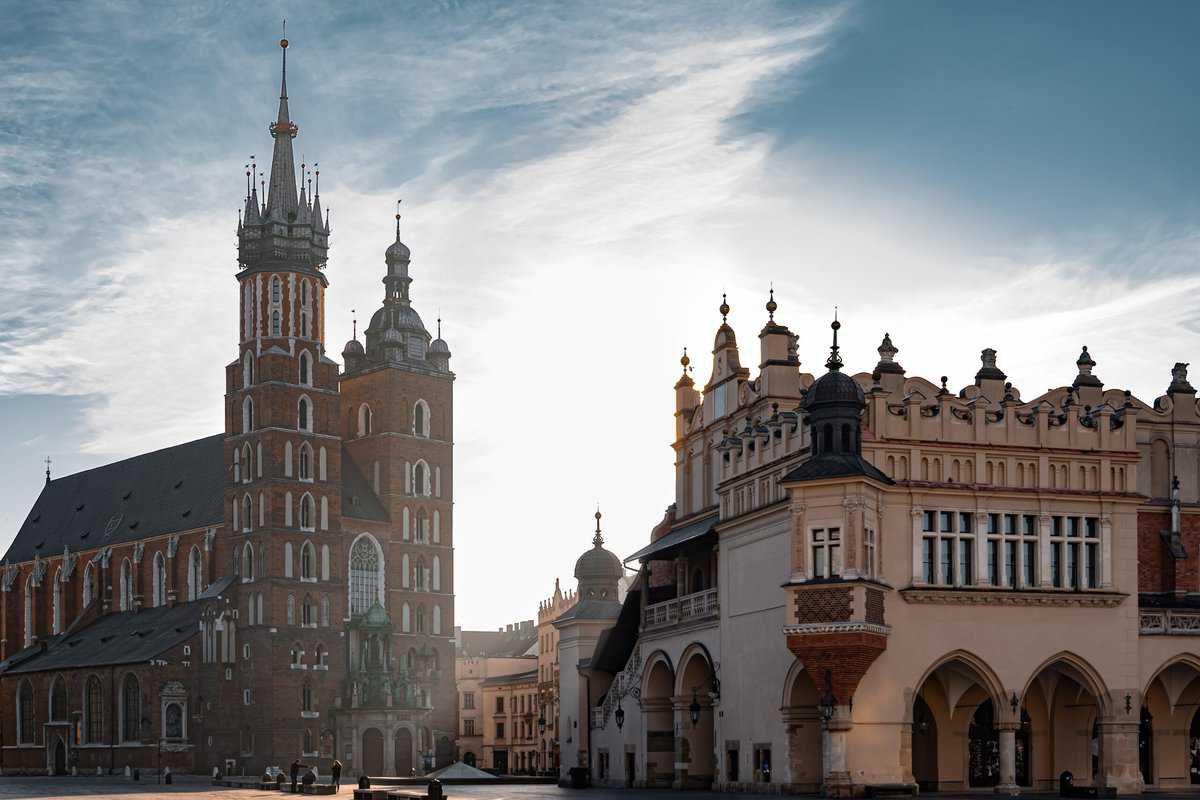
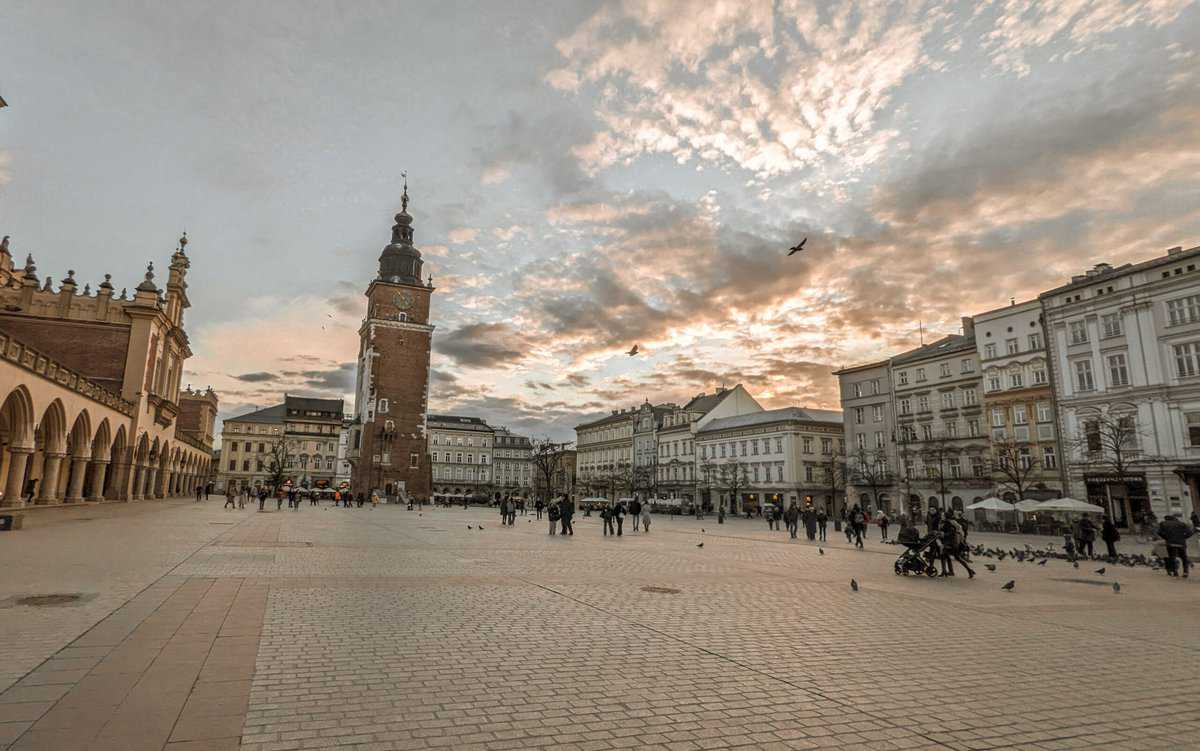
Krakow Main Square
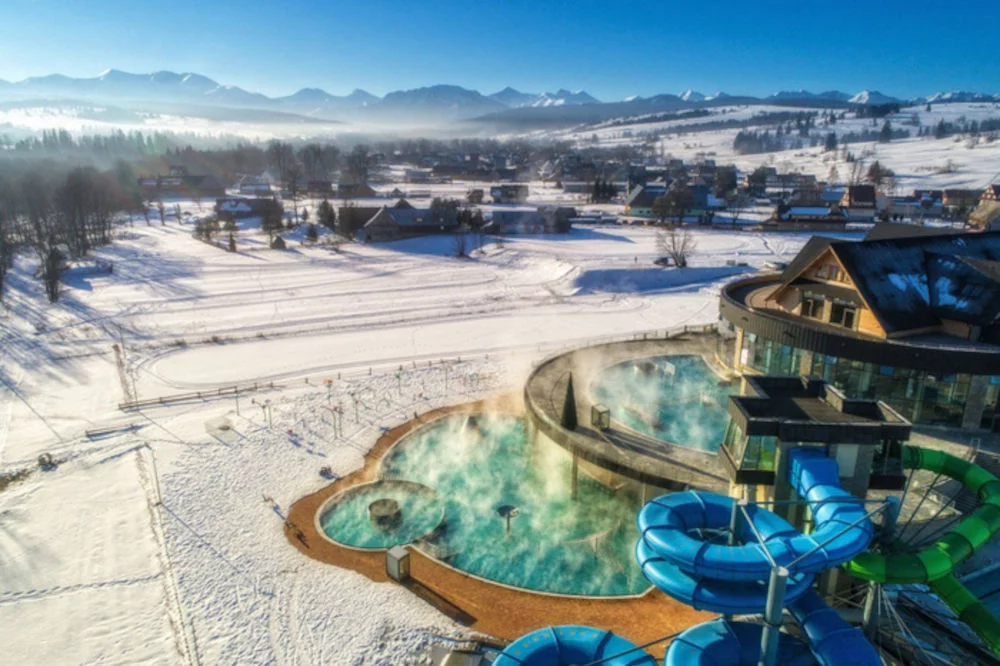
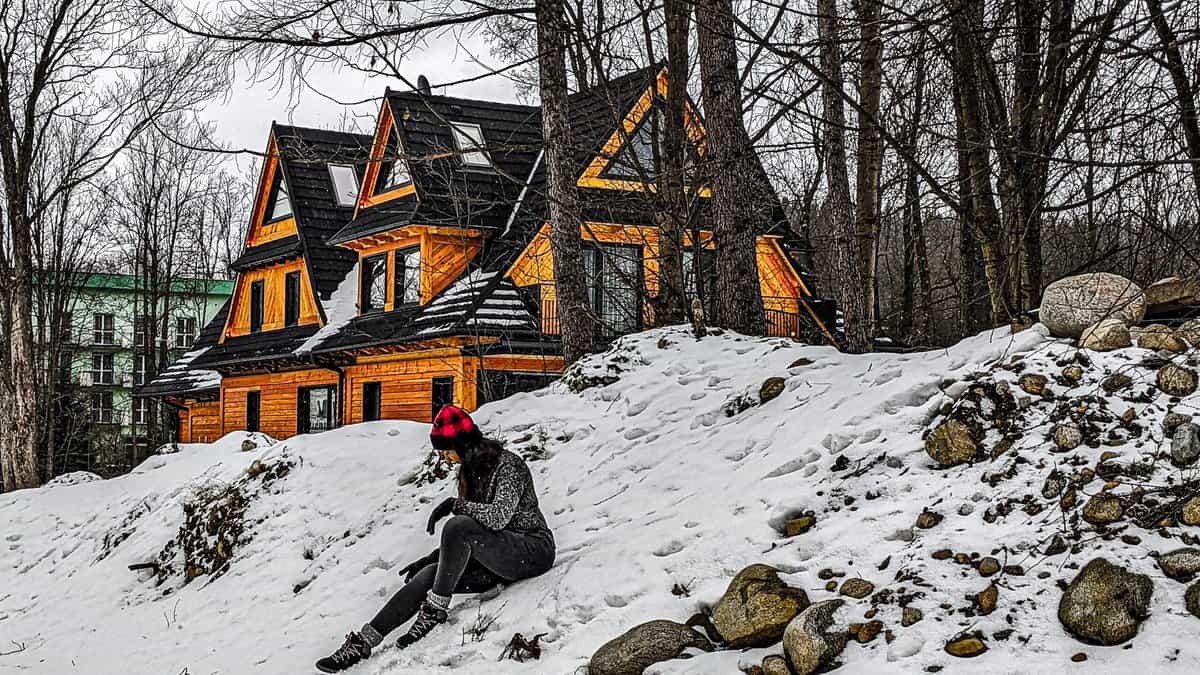
Thermal Pools in Zakopane
Language -Polish is the official language spoken in Poland but there are also several regional languages including Silesian, Kashubian and German that are spoken by minority populations throughout the country. English has become increasingly popular among younger generations so many Poles now speak some level of English as well.
Entry Requirements-Travelers to Poland from outside the EU must obtain a visa prior to their arrival. Countries such as the USA, Australia and Canada can enter Poland without a visa and stay in Poland for up to 90 days.
Transportation –Poland has a good public transport system which includes buses, trams, trains and planes. This makes it easy for tourists to get around without needing to hire a car. The Polish currency is the zloty (PLN), which can be exchanged easily at banks or exchange offices. Credit cards are accepted at many places across the country but cash is still very much used everywhere.
Food –The food in Poland is diverse and varies according to region. Traditional Polish cuisine is hearty with an emphasis on meat dishes such as bigos (a stew made with cabbage and various meats), pierogi (dumplings filled with various fillings) or golonka (pork knuckle). Other popular dishes include zrazy (beef rolls stuffed with mushrooms or other ingredients) or kotlet schabowy (breaded pork cutlets). Vegetables are also widely used in Polish cooking such as cabbage, cucumber and beetroots.
Climate –Poland’s climate can vary depending on region: the north is cool while the south is milder. In general, the winter months are very cold while summers tend to be quite warm with occasional rain showers. The summer temperatures range from 14-30°C (57-81°F), while winters range from -5-10°C (-23-50°F).
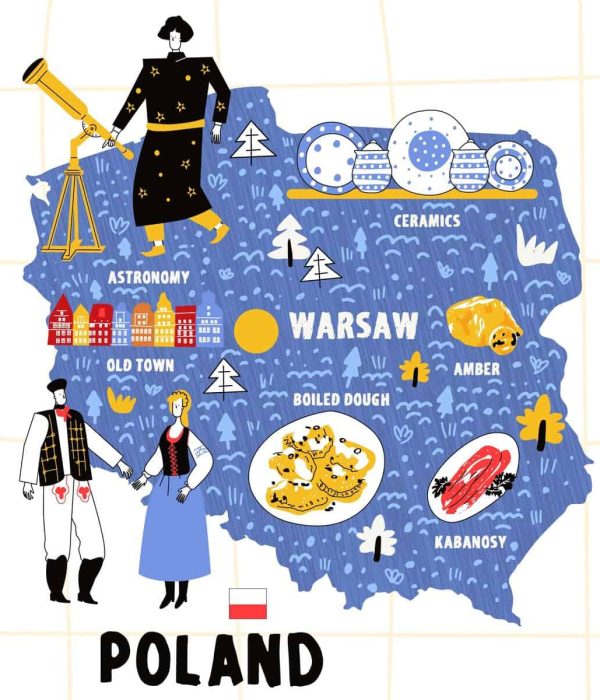
Suggested daily budget – 50-60 EUR / 52-62 USD (Note: This is a suggested budget assuming you’re staying in a hostel, eating out a little, cooking most of your meals, and using local transportation. Using the budget tips below, you can always lower this number. However, if you stay in fancier accommodation or eat out more often, expect this to be higher!)
Poland will appeal to anyone with an interest in history, culture and architecture. It’s a stunning country with a wealth of architectural gems from medieval castles to gothic churches and cobblestone streets dotted with colourful houses.
Poland is also rich in traditions and culture so you can enjoy traditional Polish music at various festivals throughout the year or take part in lively folk dancing performances. If you visit the small villages, you can see how people still live off the land as their ancestors did centuries ago.
For those looking for outdoor adventure, Poland has plenty to offer as well. From hiking trails through lush forests filled with wildlife to kayaking down winding rivers to soaking in hot thermal pools in the mountains. Overall it is a great country to explore, easy to navigate and very affordable compared to other countries in Europe.